
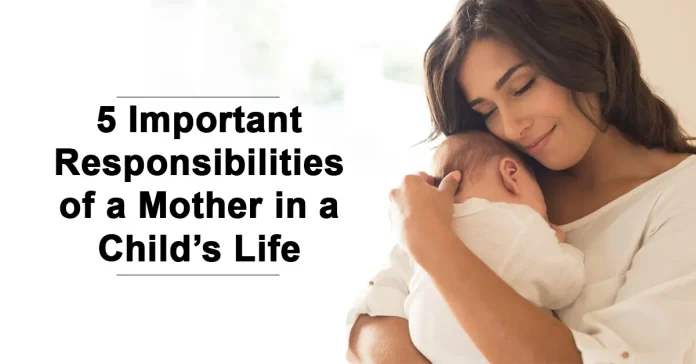

5 Important Roles of a Mother in Child Development
A mother is a significant figure in a child’s development, growth, and emotional well-being. She is often one of the first sources of guidance and support for a child, providing love and care while teaching important values and life skills. However, motherhood is not about being perfect or handling every responsibility alone. Parenting is a shared responsibility, and fathers, grandparents, family members, and caregivers can all play an important role in supporting a child.
Here are five important responsibilities a mother can have in the life of her child.
1. Providing Love and Emotional Support
One of the most important responsibilities of a mother is providing love, comfort, and emotional support. Children need to feel safe, loved, and valued as they grow.
A mother can help her child develop emotional confidence by listening to their feelings, spending quality time with them, comforting them when they are distressed, and encouraging them during challenging situations. A supportive relationship can help children build confidence and learn how to manage and express their emotions in healthy ways.
2. Caring for Health and Well-Being
Taking care of a child’s physical and emotional well-being is another important part of parenting. Mothers often play an active role in maintaining a child’s daily routine, including healthy eating, good hygiene, adequate sleep, physical activity, and regular healthcare.
Mothers can also encourage healthy habits as children grow and explain why proper nutrition, cleanliness, exercise, and rest are important. Paying attention to changes in a child’s behaviour or well-being can also help parents understand when additional support may be needed.
3. Teaching Values and Good Habits
The family is often where children learn their first lessons about behaviour, relationships, and social values. A mother can help children understand important values such as kindness, honesty, respect, patience, responsibility, and empathy.
Simple everyday activities can become valuable learning opportunities. For example, teaching a child to share toys, say “thank you,” help others, tidy their belongings, and respect other people’s opinions can gradually help them develop positive habits.
Parents can teach values not only through instructions but also by setting a positive example through their own behaviour.
4. Supporting Education and Development
A mother’s role can also contribute to a child’s overall education and development. Learning does not happen only in school. Children develop through reading, playing, asking questions, exploring their surroundings, and interacting with other people.
Mothers can support this development by providing age-appropriate learning activities, reading books with their children, encouraging curiosity, and recognising their interests and abilities.
Children also need opportunities to try new things, make mistakes, and learn from them. Giving children age-appropriate independence can help them develop confidence and become better problem-solvers.
5. Creating a Safe and Supportive Home
Children need a safe and supportive environment where they can grow, communicate openly, and develop their personalities. A mother can contribute to creating a home environment based on trust, respect, communication, and consistent guidance.
Setting reasonable boundaries can help children understand what is expected of them while also giving them the opportunity to feel heard and respected. When children know that they can discuss their worries, mistakes, and questions with their parents without fear of being judged, they may feel more confident about seeking help when they need it.
Conclusion
The responsibilities of a mother go far beyond household chores. A mother can play an important role in her child’s emotional, physical, social, and educational development by providing love, guidance, care, and encouragement.
However, motherhood is not a responsibility that has to be handled alone. Fathers, family members, caregivers, and other trusted adults can all contribute to raising happy, healthy, and confident children. The primary goal is to create an environment where children feel loved, supported, protected, and encouraged to become independent individuals.
Read More: Why Is My Newborn Crying? Understanding Different Baby Cries